

Google has agreed to pay $135 million to settle claims that Android devices secretly consumed users’ cellular data without their knowledge or consent. If you’re a U.S. Android user who had a cellular data plan at any point between November 12, 2017 and the date of final court approval, you’re likely eligible for a payout of up to $100 — and you probably won’t even need to file a claim form. The settlement in *Attila Csupo et al. v. Google LLC*, Case No.
19-CV-352557, is expected to distribute payments automatically through PayPal, Venmo, or Zelle using contact information already tied to Google accounts. The case centers on what plaintiffs describe as “passive data transfers” — background cellular data usage that occurred even when Android phones were idle, apps were closed, screens were locked, and location sharing was turned off. Users were essentially being charged by their carriers for data they never agreed to use. Google denies any wrongdoing but agreed to settle. The federal case final approval hearing is scheduled for March 19, 2026 before Judge Virginia K. DeMarchi, meaning payments could begin flowing shortly after that date if the court signs off.
Table of Contents
- What Is the Google Android Cellular Data Collection Settlement and Why Does It Exist?
- Who Is Eligible for a Payout — and Who Is Not?
- How Payments Will Be Distributed Without a Claim Form
- Understanding the $135 Million Fund and What You’ll Actually Receive
- Key Deadlines and What Happens at the March 19 Hearing
- How to Opt Out or Exclude Yourself from the Settlement
- What Changes Going Forward for Android Users
- Frequently Asked Questions
What Is the Google Android Cellular Data Collection Settlement and Why Does It Exist?
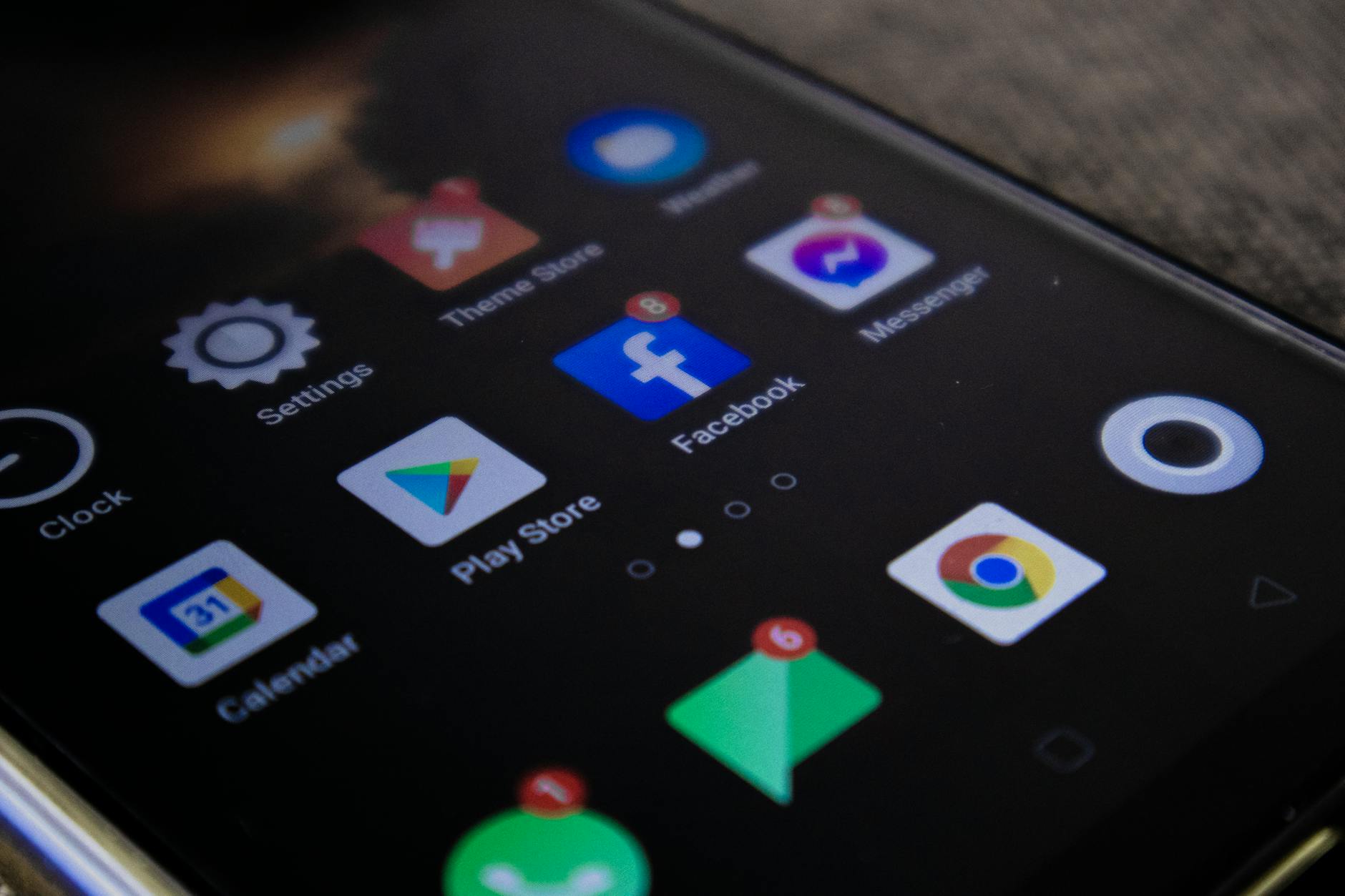
Starting around November 2017, android devices were allegedly transmitting data over cellular networks in the background without user authorization. This wasn’t about apps you were actively using — it was passive, behind-the-scenes communication between your phone and google‘s servers. The data transfers happened when you weren’t touching your phone, when every app was closed, and even when you had explicitly disabled location sharing. The problem wasn’t just a privacy concern. Because these transfers used cellular data, users with limited data plans were paying their carriers for bandwidth they never knowingly consumed.
The lawsuit argues that Google should have disclosed this behavior and obtained consent before using people’s cellular connections. Consider someone on a 2GB monthly data plan in 2018 — background Google transfers could have eaten into that cap, potentially triggering overage charges or throttling. While the per-device data usage may have been small in isolation, multiplied across more than 100 million affected Americans and years of undisclosed activity, the aggregate harm was significant enough to produce a $135 million settlement fund. Google has not admitted to doing anything wrong. The company agreed to settle to avoid the cost and uncertainty of continued litigation. As part of the deal, however, Google must implement new disclosures and consent mechanisms during Android device setup regarding cellular data usage going forward — an acknowledgment that its previous approach to transparency fell short.
Who Is Eligible for a Payout — and Who Is Not?
Eligibility is straightforward: if you used an Android device with a cellular data plan anywhere in the United States between November 12, 2017 and the date of final court approval, you are likely part of the class. The settlement covers an estimated 100+ million Americans, making it one of the larger consumer tech settlements in recent years. However, there is one major exclusion: California residents are not covered by this federal settlement. If you lived in California during the relevant period, your claims fall under a separate state court case that actually went to trial and resulted in a $314.6 million jury verdict covering approximately 14 million California residents. That’s a substantially larger fund on a per-person basis.
So if you split time between California and another state, or moved during the class period, pay attention to which case applies to you. The official settlement website at [cellulardataclassaction.com](https://www.cellulardataclassaction.com/) can help clarify your status. One thing worth noting: you don’t need to prove that you personally experienced data overages or that you noticed unusual data consumption. The settlement presumes harm based on the undisclosed cellular transfers themselves. If you had an Android phone and a data plan during the covered period, that’s enough.
How Payments Will Be Distributed Without a Claim Form
Unlike most class action settlements that require you to fill out a claim form and verify your identity, this settlement is designed for automatic distribution. The settlement administrator plans to use email addresses and phone numbers already associated with Google accounts to identify and contact eligible class members. Payments are expected to go out via PayPal, Venmo, or Zelle — digital payment platforms where your contact information can serve as your payment address.
For example, if the email linked to your Google account is also connected to a PayPal account, the administrator could send your payment directly to that PayPal address without any action on your part. This approach makes sense given the massive class size — processing 100+ million individual claim forms would be a logistical nightmare and would dramatically increase administrative costs, shrinking the amount available for actual payouts. That said, if your contact information has changed since you last used an Android device, or if you don’t have accounts with any of the supported payment platforms, you may need to visit the official settlement website to update your payment preferences. The site at [cellulardataclassaction.com](https://www.cellulardataclassaction.com/) provides options for managing how you receive your payment.

Understanding the $135 Million Fund and What You’ll Actually Receive
The $135 million settlement fund is non-reversionary, meaning Google cannot claw back unclaimed money — it all goes to the class. However, that full amount won’t land in consumers’ pockets. Plaintiffs’ counsel may seek up to $39.8 million in attorney fees, and additional deductions for litigation costs and settlement administration will further reduce the pool available for individual payments. After those deductions, eligible class members may receive up to $100 on a pro rata basis. The actual amount depends on how many people the administrator successfully reaches and how many eligible users remain in the class after any exclusions.
If the math works out to less than $100 per person, everyone gets a proportionally smaller share. Compare this to the California case, where the $314.6 million verdict divided among roughly 14 million residents could yield a higher per-person amount — though that case has its own legal complexities and the final distribution structure may differ. The tradeoff with automatic payments is efficiency versus individual attention. You won’t have the opportunity to document specific damages or argue for a larger share the way you might in a settlement with tiered claim options. Everyone eligible gets the same pro rata cut. For most people, the convenience of an automatic payment without any paperwork easily outweighs the loss of that flexibility.
Key Deadlines and What Happens at the March 19 Hearing
The federal settlement’s final approval hearing is scheduled for March 19, 2026 before Judge Virginia K. DeMarchi. This is the critical remaining milestone. At this hearing, the judge will evaluate whether the settlement is fair, reasonable, and adequate for the class. If approved, the distribution process can begin. If the judge raises concerns, there could be delays or modifications to the settlement terms.
The objection deadline of February 10, 2026 has already passed, meaning the window for class members to formally oppose the settlement terms is closed. The California state case had its own approval hearing on February 24, 2026. As of the settlement agreement’s signing on December 23, 2025, the federal case was still awaiting preliminary approval, so the March hearing represents a significant step in moving this settlement from agreement to actual payments. One warning: do not trust any emails or messages claiming you need to pay money or provide sensitive financial information like Social Security numbers to receive your settlement payment. Legitimate settlement payments never require upfront fees. The settlement administrator will use your Google account contact information and established payment platforms. If you receive anything suspicious, verify it against the official site at [cellulardataclassaction.com](https://www.cellulardataclassaction.com/).
How to Opt Out or Exclude Yourself from the Settlement
If you believe your individual damages exceed what the settlement offers — say you had documented evidence of significant overage charges caused by unauthorized data transfers — you may want to exclude yourself and preserve the right to pursue your own legal action against Google. The official settlement website provides an exclusion form for this purpose. Opting out is a serious decision.
You give up a guaranteed automatic payment in exchange for the uncertain prospect of a larger individual recovery. For most people, the up-to-$100 payment with zero effort is the better deal. But if you experienced substantial financial harm and can prove it, exclusion keeps your legal options open. Consult with an attorney before making this choice, because once you exclude yourself, you cannot reverse course and rejoin the class.
What Changes Going Forward for Android Users
Beyond the financial payout, the settlement requires Google to implement new disclosures and consent mechanisms during Android device setup regarding cellular data usage. This is the forward-looking reform component of the deal, and it may end up mattering more than the individual payments in the long run. Future Android users should see clearer information about how their cellular data is used by system processes, with the ability to consent or decline before those transfers begin.
Whether these disclosures prove meaningful or become just another screen users tap through during setup remains to be seen. The real test will be whether Google changes the underlying behavior — reducing or eliminating passive background data transfers — or simply adds a disclosure that most users will accept without reading. The settlement’s enforcement mechanisms will determine how much teeth these new requirements actually have.
Frequently Asked Questions
Do I need to file a claim form to get paid from the Google Android settlement?
No. Payments are expected to be distributed automatically using email addresses and phone numbers associated with your Google account. You may want to visit the official settlement website to verify or update your payment preferences.
Why are California residents excluded from the $135 million settlement?
California residents are covered by a separate state court case (*Csupo*) that resulted in a $314.6 million jury verdict. That case covers approximately 14 million California residents and is handled independently from the federal settlement.
How much money will I actually receive?
Eligible class members may receive up to $100 on a pro rata basis. The exact amount depends on how much remains in the $135 million fund after deductions for attorney fees (up to $39.8 million), litigation costs, and administrative expenses.
When will payments be sent out?
Payments cannot be distributed until after the court grants final approval. The final approval hearing for the federal case is scheduled for March 19, 2026. If approved, payments should follow in the weeks or months after that date.
What if I no longer have an Android phone?
You’re still eligible as long as you had an Android device with a cellular data plan during the class period (November 12, 2017 through the date of final approval). Your current phone doesn’t matter — what matters is your past usage.
Can I opt out and sue Google on my own?
Yes. You can submit an exclusion form through the official settlement website at [cellulardataclassaction.com](https://www.cellulardataclassaction.com/). However, opting out means you forfeit your automatic payment and would need to pursue individual litigation at your own expense.
You Might Also Like
- Everything To Know About The Dollar General Price Overcharge Settlement Before You Submit A Claim
- Is The Google Android Cellular Data Collection Settlement Legit, And How Do You Check Eligibility
- How To File A Claim In The Google Android Cellular Data Collection Settlement