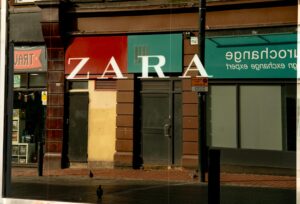

While there is no currently active, publicly reported class action lawsuit specifically targeting Zara for false sustainability claims with published settlements, Zara faces substantial documented allegations of greenwashing and environmental misrepresentation that have drawn regulatory scrutiny and legal attention from consumer protection advocates. The Spanish fast fashion giant, owned by Inditex, has promoted sustainability initiatives like its “Join Life” collection and carbon-capture clothing lines while simultaneously maintaining a high-volume production model that environmental researchers and labor organizations argue undermines genuine sustainability commitments. A 2024 investigation by Earthsight linked both H&M and Zara to large-scale illegal deforestation, land-grabbing, and violence in Brazil’s Cerrado region—one of the world’s most biodiverse ecosystems—raising questions about the integrity of Zara’s sustainability certifications and claims.
The absence of a major settled class action does not mean consumers lack legal recourse or that Zara’s practices are legally uncontested. Rather, the company faces a patchwork of regulatory investigations, civil complaints, and consumer lawsuits across multiple jurisdictions, each addressing specific aspects of its sustainability and labor practices. For consumers concerned about whether their purchases support genuinely sustainable practices, understanding Zara’s documented environmental and labor issues is essential for making informed decisions.
Table of Contents
- What Are Zara’s Sustainability Claims and Why Are They Controversial?
- Environmental Damage Linked to Zara’s Supply Chain
- Labor Conditions and Worker Exploitation in Zara’s Production Hubs
- Why No Major Class Action Settlement Exists Yet
- The Broader Greenwashing Problem in Fast Fashion
- What Consumers Can Do About Zara’s Practices
- Future Directions for Zara and the Fast Fashion Industry
- Conclusion
What Are Zara’s Sustainability Claims and Why Are They Controversial?
Zara has made several high-profile sustainability commitments and product launches designed to appeal to environmentally conscious consumers. In 2022, the company introduced a limited edition “sustainable” clothing line featuring polyester made from captured carbon dioxide—a technology that Zara positioned as an innovative environmental solution. The company also operates the “Join Life” collection, marketed as a range of responsibly produced garments, alongside take-back and recycling schemes intended to reduce textile waste. However, environmental researchers and sustainability analysts have characterized many of these initiatives as greenwashing—the practice of making misleading claims about environmental practices to appear more sustainable without fundamentally changing business operations.
Critics point out that carbon-capture polyester production, while technically innovative, is an energy-intensive process that does little to address Zara’s core business model of rapid production and high-volume consumption. According to sustainability analyses, typical recycled clothing conversion rates are approximately 1% into new garments, meaning that the vast majority of collected textiles do not become new clothing but are instead downcycled into lower-grade products. The “Join Life” collection, though marketed as sustainable, represents only a fraction of Zara’s total output, with the company continuing to produce tens of millions of garments annually using conventional, resource-intensive methods. For consumers paying premium prices for these sustainability-labeled items, the gap between marketing claims and actual environmental impact can be substantial.

Environmental Damage Linked to Zara’s Supply Chain
The most damaging evidence of Zara’s environmental practices emerged in April 2024, when the investigative organization Earthsight published a comprehensive report linking Zara and H&M to illegal deforestation, land-grabbing, and violence in Brazil’s Cerrado region. Specifically, Zara’s supply chain included cotton labeled with Better Cotton Initiative (BCI) certifications despite those certifications being linked to activities that directly contributed to environmental destruction and social harm in one of the world’s most biodiverse ecosystems. The Cerrado is a tropical savanna critical to global biodiversity and climate regulation, and its destruction through illegal land-grabbing threatens countless species and contributes to climate change.
This investigation reveals a fundamental problem with Zara’s sustainability certifications: the company can claim to use “certified sustainable” materials while those same materials carry hidden links to environmental crimes and human rights abuses. Consumers purchasing Zara products specifically because they carry sustainability labels may unknowingly be supporting practices that directly contradict those environmental claims. The investigation also raised questions about the adequacy of third-party certification systems, suggesting that certification alone does not guarantee genuine sustainability or ethical practices. For consumers seeking to avoid contributing to environmental destruction, this disconnect between certification and actual practices is a critical limitation of relying solely on corporate sustainability labels.
Labor Conditions and Worker Exploitation in Zara’s Production Hubs
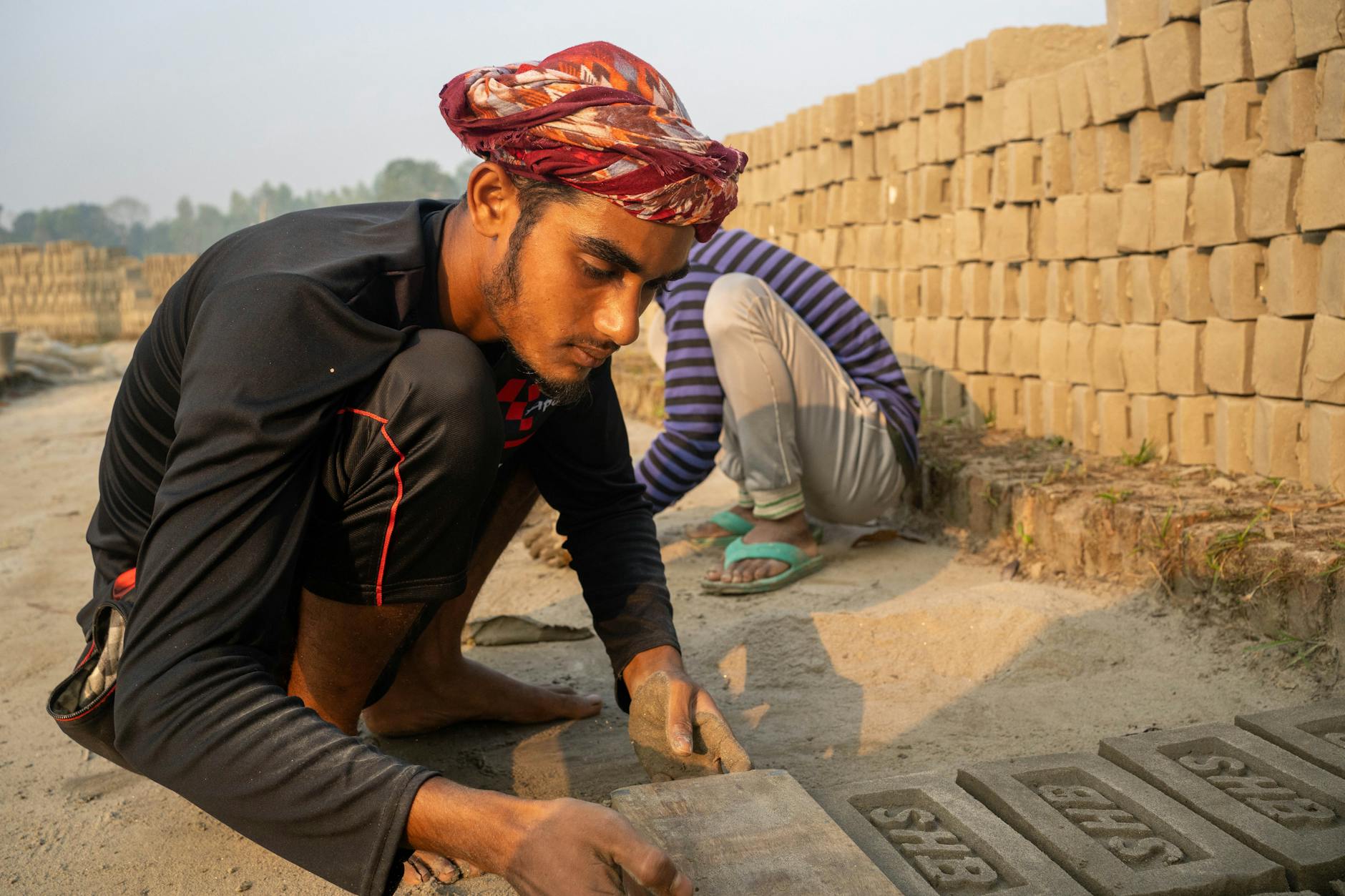
beyond environmental concerns, Zara’s supply chain has faced recurring allegations of worker exploitation and poor labor conditions. Investigations into production facilities in Galicia, Spain—a region where Zara sources a significant portion of its clothing—and in Brazil have documented allegations of wage theft, excessive working hours, unsafe conditions, and limited worker protections. These labor issues are particularly significant because Zara markets itself as a European company with higher standards than competitors, and because poor labor conditions often accompany environmental damage, as workers in vulnerable positions lack the power to resist exploitative practices.
The connection between labor exploitation and environmental degradation in Zara’s supply chain is direct: when workers lack legal protections and are paid minimal wages, companies have greater incentive to cut corners on environmental compliance as well. Workers in Brazil’s Cerrado region, facing pressures from illegal land-grabbing and violence, have limited ability to resist practices that damage their environment and health. For consumers concerned about sustainability, this overlap means that genuinely sustainable fashion requires both environmental protection and fair labor practices—a standard that Zara’s current operations do not appear to meet comprehensively.
Why No Major Class Action Settlement Exists Yet
The absence of a major, settled class action lawsuit targeting Zara’s sustainability claims does not indicate legal immunity or lack of harm. Instead, several factors explain why a consolidated class action has not yet emerged with the prominence of other fast fashion lawsuits. First, establishing fraudulent misrepresentation regarding sustainability claims requires proving that Zara knowingly made false statements and that consumers relied on those statements in making purchasing decisions—a legal standard that is challenging to meet in consumer fraud contexts. Second, most of Zara’s sustainability-labeled products are not significantly more expensive than conventional fast fashion alternatives, which can limit the financial damages available to consumers.
Additionally, regulatory bodies and environmental organizations have pursued separate enforcement actions and civil litigation rather than consolidating consumer class actions. For example, the Earthsight investigation and related activism have prompted calls for regulatory investigation and supply chain audits, but individual consumer lawsuits have not yet coalesced into a major class action. This fragmented legal response is typical in greenwashing cases, where environmental damage and consumer deception may be addressed through regulatory penalties, shareholder litigation, and civil suits rather than traditional consumer class actions. For consumers considering legal action or seeking compensation, this means understanding the specific nature of their claim—whether based on false marketing claims, environmental damage, or labor practices—is necessary to identify available remedies.
The Broader Greenwashing Problem in Fast Fashion
Zara’s sustainability claims exemplify a widespread problem in the fast fashion industry: companies use environmental marketing to capture price premiums and consumer loyalty without fundamentally changing production practices. The fast fashion business model—characterized by rapid design cycles, high production volumes, and constant inventory turnover—is inherently incompatible with genuine sustainability, which requires reducing consumption, improving durability, and minimizing resource use. When a company like Zara introduces a “sustainable” collection while simultaneously accelerating overall production and consumption rates, the net environmental impact is negative, even if individual items in the sustainable line are marginally better than alternatives.
Consumers should be aware that greenwashing in fashion frequently operates at three levels: the product level (individual items marketed as sustainable), the brand level (company-wide sustainability narratives), and the certification level (third-party labels that may not reflect actual practices). Zara operates greenwashing at all three levels, from the carbon-capture clothing line to the “Join Life” collection to the BCI certifications on materials sourced from environmentally destructive regions. The limitation of corporate sustainability claims is that they often measure progress against baseline practices (e.g., “our new collection uses 10% less water”) rather than against what true sustainability would require. For consumers, this means that “more sustainable” fast fashion is still destructive fast fashion.
What Consumers Can Do About Zara’s Practices
For consumers concerned about Zara’s environmental and labor practices, several direct actions are available. The most straightforward is simply to reduce consumption of Zara products and seek alternatives from companies with more transparent, rigorous sustainability practices—smaller brands with visible supply chains, secondhand fashion platforms that extend the lifecycle of existing clothing, and conventional retailers that publish detailed labor and environmental audits.
Consumers can also engage directly by contacting Zara’s corporate office to demand greater transparency about supply chain practices, elimination of products linked to environmental damage, and meaningful living wages for workers. Consumers who believe they have been misled by Zara’s sustainability marketing can file complaints with consumer protection agencies in their state or country, which can trigger regulatory investigations and public enforcement actions. Environmental organizations and labor advocacy groups investigating Zara also welcome consumer testimonies and documentation of where and how Zara products were purchased under sustainability claims, as this evidence strengthens legal and regulatory cases.
Future Directions for Zara and the Fast Fashion Industry
As consumer awareness of greenwashing increases and regulatory scrutiny intensifies, Zara and comparable fast fashion companies face mounting pressure to either genuinely transform their practices or face increased legal liability. The European Union’s proposed Green Claims Directive and similar regulations in other jurisdictions are designed specifically to prevent the kinds of misleading sustainability claims that Zara has employed, creating potential liability for companies that continue current practices. Additionally, as climate change accelerates environmental damage and as labor movements gain strength in producing countries, companies with documented links to environmental destruction and worker exploitation will likely face more aggressive litigation and regulatory action.
The trajectory suggests that while a major consumer class action targeting Zara’s sustainability claims may not have materialized yet, the legal and regulatory environment is shifting in ways that make such actions more likely in the future. For Zara, this creates incentive to fundamentally restructure its business model toward genuine sustainability. For consumers, it suggests that documenting the company’s false claims and environmental impacts now will provide evidence for future legal action and regulatory enforcement.
Conclusion
Zara’s sustainability claims—including its “Join Life” collection, carbon-capture clothing, and take-back programs—have been substantially undermined by documented evidence of environmental destruction, labor exploitation, and greenwashing in its supply chain. While no major class action settlement currently exists specifically for false sustainability claims, Zara faces ongoing regulatory scrutiny and civil litigation related to its role in environmental damage in Brazil’s Cerrado region and labor abuses in its production facilities.
For consumers who purchased Zara products believing they were supporting sustainable and ethical practices, understanding the gap between the company’s marketing claims and its actual practices is essential for making informed decisions going forward. If you purchased Zara products specifically marketed as sustainable or certified, and you believe you were misled about their environmental or labor practices, you have options: filing complaints with consumer protection agencies, engaging with environmental organizations pursuing litigation against the company, and most importantly, shifting your purchasing patterns toward genuinely sustainable alternatives. As regulatory frameworks around greenwashing continue to strengthen globally, consumers who document their experiences with Zara’s misleading claims contribute valuable evidence for current and future enforcement actions.