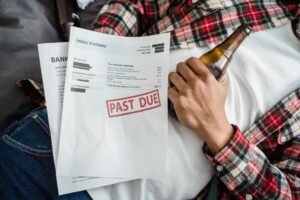

There is no formal, named class action settlement specifically titled “Tuesday Morning Bankruptcy Customer Gift Card Class Action” currently available in public records. However, Tuesday Morning customers who held unused gift cards or merchandise return cards when the company filed for Chapter 11 bankruptcy on February 14, 2023, were automatically classified as unsecured creditors and became eligible to file claims against the company’s bankruptcy estate.
This created a unique and important situation for millions of customers who had purchased gift cards—they could pursue compensation through the bankruptcy claims process, though recovery rates were expected to be minimal after secured creditors and priority claims were paid. When Tuesday Morning converted its bankruptcy from Chapter 11 to Chapter 7 liquidation, the company reached a $34.5 million settlement with creditors, but gift card holders faced the sobering reality that unsecured claims—like theirs—typically receive the lowest priority in the payment hierarchy. The company honored gift cards and merchandise return cards through May 13, 2023, but once that deadline passed, customers with remaining balances had to navigate the bankruptcy system to attempt recovery, an often frustrating and ultimately unsuccessful endeavor for most claimants.
Table of Contents
- What Happened to Tuesday Morning’s Gift Cards During Bankruptcy?
- Understanding Gift Card Status in Bankruptcy Law
- How Customers Could File Claims in the Bankruptcy
- Recovery Timeline and What Claimants Actually Received
- Why Gift Cards Receive Such Low Priority
- Lessons from Tuesday Morning for Future Consumers
- The Broader Context of Gift Cards in Bankruptcy
- Conclusion
What Happened to Tuesday Morning’s Gift Cards During Bankruptcy?
Tuesday Morning’s Chapter 11 bankruptcy filing in February 2023 was the company’s second Chapter 11 filing in just three years, signaling deeper financial distress than many realized. When the home goods retailer initially filed, customers still had the ability to use existing gift cards and merchandise return cards, but only through the court-approved deadline of May 13, 2023. After that date, the company was no longer legally obligated to honor these cards as direct purchases. Instead, customers became unsecured creditors in the bankruptcy case, holding claims against whatever assets remained after the company’s liquidation process concluded.
The situation differed significantly from how a typical retailer handles gift cards during financial distress. Unlike a store closure where a company might honor gift cards as a gesture of good faith, Tuesday Morning customers discovered they had no guaranteed way to recover the value they had prepaid. A customer who purchased a $100 Tuesday Morning gift card in 2022 and hadn’t used it by May 2023 suddenly faced a claim process rather than simple redemption. This created confusion among consumers, many of whom initially believed they could simply return the card for a refund.

Understanding Gift Card Status in Bankruptcy Law
Under U.S. bankruptcy law, unused gift cards are treated as unsecured claims against the company’s estate, which places them at the bottom of the repayment priority ladder. Secured creditors (like banks that hold liens on property) get paid first, followed by priority claims (like employee wages and taxes), administrative expenses, and then—far down the chain—unsecured creditors like gift card holders. This legal reality means that in most retail bankruptcies, gift card holders recover little to nothing.
The $34.5 million creditor settlement that Tuesday Morning negotiated provided some comfort, but it was divided among all categories of claimants. While exact distribution figures weren’t immediately publicized, historical data from similar retailer bankruptcies suggests unsecured creditors receive pennies on the dollar. For example, in larger retail bankruptcies, unsecured claims have recovered anywhere from 5% to 30% of their stated value, depending on the company’s remaining assets and the total claims filed. Gift card holders in Tuesday Morning’s bankruptcy should have realistically expected recovery well below 50% of their card’s face value, if any recovery at all.
How Customers Could File Claims in the Bankruptcy
To pursue their claims, Tuesday Morning gift card holders had to actively file paperwork with the U.S. Bankruptcy Court for the Northern District of Texas (Case number 23–90001). This wasn’t an automatic process—customers had to discover the bankruptcy filing, understand they were eligible to claim, and submit proof of their gift card within the court-ordered deadline. Many consumers never learned about this process or missed critical filing deadlines, forfeiting their legal right to recover anything.
The bankruptcy court required claimants to submit documentation proving they owned a gift card and the amount of the remaining balance. A customer who had a Tuesday Morning gift card with a $75 balance on February 14, 2023 (the filing date) would need to provide evidence of purchase or a copy of the card itself. The process was not intuitive for the average consumer and many legitimate claimants missed deadlines simply because they weren’t aware the court required formal claims to be filed. Unlike a class action lawsuit where an attorney handles most of the paperwork for claimants, the bankruptcy claims process places the burden directly on the individual consumer.
Recovery Timeline and What Claimants Actually Received
The timeline from bankruptcy filing to potential payment was lengthy and uncertain. Tuesday Morning filed in February 2023, converted to Chapter 7 in spring 2023, and the liquidation process took months to complete. Creditors and claimants faced a wait of many months—often extending into 2024 or beyond—before any distributions were made. Even after liquidation concluded, if claimants did receive payments, the amounts were typically disappointing compared to the original gift card values.
Comparing Tuesday Morning to other major retail bankruptcies illustrates the harsh reality. When Bed Bath & Beyond filed for bankruptcy in 2023, gift card holders faced the same situation—unsecured claims with minimal recovery prospects. Toys “R” Us, which filed for bankruptcy in 2017, similarly left gift card holders with little recourse. The comparison reveals a consistent pattern: retail bankruptcies are devastating for gift card holders because prepaid value is unsecured debt with the lowest claim priority. A customer hoping to recover a $200 gift card would be fortunate to receive $20 or $30, if anything arrived at all.
Why Gift Cards Receive Such Low Priority
Gift cards represent a liability to the company—customers have prepaid for merchandise they haven’t received. In the accounting sense, a gift card is a significant claim against the company’s resources. When a company files for bankruptcy, the court views all creditors’ claims as equal or ordered by legal priority, but gift card holders hold no legal security interest in any of the company’s remaining assets. They’re essentially in line behind everyone else who has a claim.
This structural disadvantage is the critical warning for consumers: never view a gift card as equivalent to cash in the bank. A store could file for bankruptcy tomorrow, and your gift card balance could become worthless overnight. There’s no FDIC-style insurance for gift cards, no legal protection that guarantees redemption, and no special status that moves gift card claims ahead in the priority queue. The only protection available is the company’s remaining assets—and in Tuesday Morning’s case, those assets were insufficient to meaningfully compensate unsecured creditors. Customers who held gift cards during the bankruptcy were essentially creditors holding unsecured debt, which is a precarious financial position.

Lessons from Tuesday Morning for Future Consumers
The Tuesday Morning bankruptcy offers a clear lesson: spending gift cards promptly or avoiding them altogether may be the safest approach. If you receive or purchase a gift card, use it within a reasonable timeframe rather than letting it sit in a drawer for months or years. The company’s financial health can change rapidly, and retailers in financial distress often file for bankruptcy suddenly. A customer who used their Tuesday Morning gift card in early 2023 suffered no loss; those who held balances when the company filed lost their prepaid value.
Additionally, the situation highlights the importance of checking company news and financial reports, particularly for retailers. If you hold a substantial gift card balance from a company facing financial difficulties, using it immediately becomes more urgent. Tuesday Morning, as a smaller home goods retailer, was particularly vulnerable to market shifts and consumer preferences that led to its second bankruptcy in three years. Larger, more stable retailers carry less immediate bankruptcy risk, but no company is immune to financial distress.
The Broader Context of Gift Cards in Bankruptcy
The Tuesday Morning situation is not unique—it reflects a broader vulnerability in how consumers interact with prepaid retail value. Whenever a major retailer files for bankruptcy, gift card holders face the same challenges. The lack of a specific class action settlement for Tuesday Morning’s gift card holders also illustrates a secondary problem: even organized legal action for gift card holders is difficult because the bankruptcy court process is the primary avenue for recovery, and the recovery is minimal.
Moving forward, some states have implemented stronger consumer protections for gift cards, including breakage laws that regulate how companies can use unclaimed gift card balances and protections during bankruptcy. However, these protections are incomplete and vary by jurisdiction. The Tuesday Morning bankruptcy serves as a reminder that consumers should remain cautious about holding large balances on gift cards, particularly from retailers that show signs of financial instability.
Conclusion
While there is no formal class action settlement specifically named for Tuesday Morning’s gift card holders, customers who held unused cards during the company’s February 2023 bankruptcy filing were eligible to file claims as unsecured creditors. The process required active participation in the bankruptcy court system, and recovery rates were expected to be substantially lower than the original gift card values due to the low priority status of unsecured claims in bankruptcy.
The Tuesday Morning situation underscores an important consumer lesson: gift cards are not insured or guaranteed, and companies can file for bankruptcy suddenly, leaving customers with prepaid value that may never be redeemed. If you held a Tuesday Morning gift card during the bankruptcy, your best course of action would have been to file a claim with the court before any filing deadline, though actual recovery was likely minimal. For the future, consumers should view gift cards as discretionary spending to be used promptly rather than as a secure store of value.