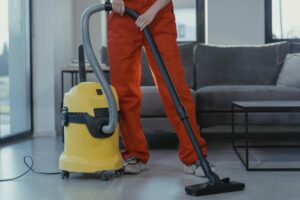

Dyson vacuum cleaner owners have faced questions about battery reliability, particularly concerning the Dyson V8 models, which have been subject to legal investigations. While a notable class action lawsuit against Dyson regarding warranty and authorized repair requirements was dismissed in February 2024, separate legal investigations remain ongoing into allegations that Dyson V8 cordless vacuums experience premature battery failure around the two-year mark—despite Dyson offering a two-year battery warranty. Unlike settled class actions that result in compensation programs, the current Dyson battery investigations have not yet produced settlements, leaving affected consumers uncertain about their options.
For owners experiencing rapid battery degradation in their Dyson vacuums, understanding the distinction between active legal claims, dismissed cases, and safety warnings about third-party batteries is essential. Some consumers report that their Dyson V8 batteries fail completely within two years of purchase, effectively rendering expensive vacuums unusable. The situation is complicated by safety hazards associated with unauthorized replacement batteries, which have been linked to fires and injuries—a separate issue from the original Dyson vacuum units themselves.
Table of Contents
- What Legal Claims Have Dyson Vacuum Battery Issues Faced?
- The Dyson V8 Battery Failure Investigation and Warranty Questions
- How Does the Warranty Coverage Address Battery Issues?
- Understanding Third-Party Battery Replacements and Safety Risks
- What Protections Do Consumers Have Against Defective Batteries?
- What Should Consumers Do If Experiencing Battery Problems?
- Looking Forward: Battery Durability and Consumer Expectations
What Legal Claims Have Dyson Vacuum Battery Issues Faced?
Multiple legal actions have targeted Dyson regarding battery-related concerns, though outcomes vary significantly. The most prominent case was a warranty dispute class action that alleged Dyson unlawfully required customers to use only authorized repair services and parts—a practice known as “warranty tying.” U.S. District Judge Elaine E. Bucklo dismissed this case on February 13, 2024, ruling that Dyson’s warranty terms did not constitute unlawful tying under consumer protection law. This dismissal means that the specific claim about forced authorized repairs was not successful in court.
Beyond the dismissed warranty case, legal investigations have focused specifically on battery performance. Multiple law firms have launched investigations into the Dyson V8 cordless vacuum, examining claims that batteries fail unexpectedly around two years after purchase. Owners have reported complete battery failure despite Dyson’s stated two-year battery warranty, raising questions about product durability and whether advertised battery life matches real-world performance. However, these investigations have not yet resulted in a settled class action with compensation for consumers. This distinction matters: a dismissed case and an unsettled investigation offer no financial remedy to affected owners.

The Dyson V8 Battery Failure Investigation and Warranty Questions
The Dyson V8 battery investigation centers on a pattern of failures that consumers claim happen with surprising frequency. Owners report purchasing their vacuums with confidence in Dyson’s marketing claims about battery life and cordless convenience, only to find the batteries degrade rapidly or fail entirely around the two-year mark. Some customers describe their vacuums as essentially worthless once the battery dies, since replacement batteries can cost $100 to $200. This creates a significant financial impact for consumers who invested in premium-priced cordless cleaning equipment expecting longer lifespan.
A critical limitation of the current situation is that no settlement agreement exists to address these battery failures. Consumers who experience premature battery death have limited formal recourse through the legal system at this time. While investigations examine potential violations of consumer protection laws and whether Dyson’s warranty coverage is adequate, the investigations remain ongoing with no guaranteed outcome. Customers cannot currently rely on a class action settlement to recover costs for failed batteries or replacement units. This means affected owners must pursue individual warranty claims or small claims court actions if they wish to seek compensation.
How Does the Warranty Coverage Address Battery Issues?
Dyson’s two-year battery warranty sounds protective but has proven inadequate for owners experiencing failure shortly after that period or who face obstacles in claiming warranty coverage. The dismissed warranty class action alleged that Dyson restricted warranty repairs to authorized service centers, which could limit consumer flexibility and increase costs. While Judge Bucklo’s dismissal means this specific legal theory didn’t succeed, consumers still report frustration with warranty claims processes and the need to work with Dyson-authorized repair channels.
A real-world example of this frustration emerges when owners attempt to claim warranty service: a Dyson V8 owner experiencing battery failure at 18 months post-purchase may find that Dyson requires them to return the unit to an authorized service center rather than offering convenient mail-in repair or retail replacement options. If the battery fails shortly after two years, the warranty period expires, leaving owners without coverage. Some consumers report spending time and money on troubleshooting before learning that the battery has completely failed and cannot be revived, even within the warranty window.
Understanding Third-Party Battery Replacements and Safety Risks
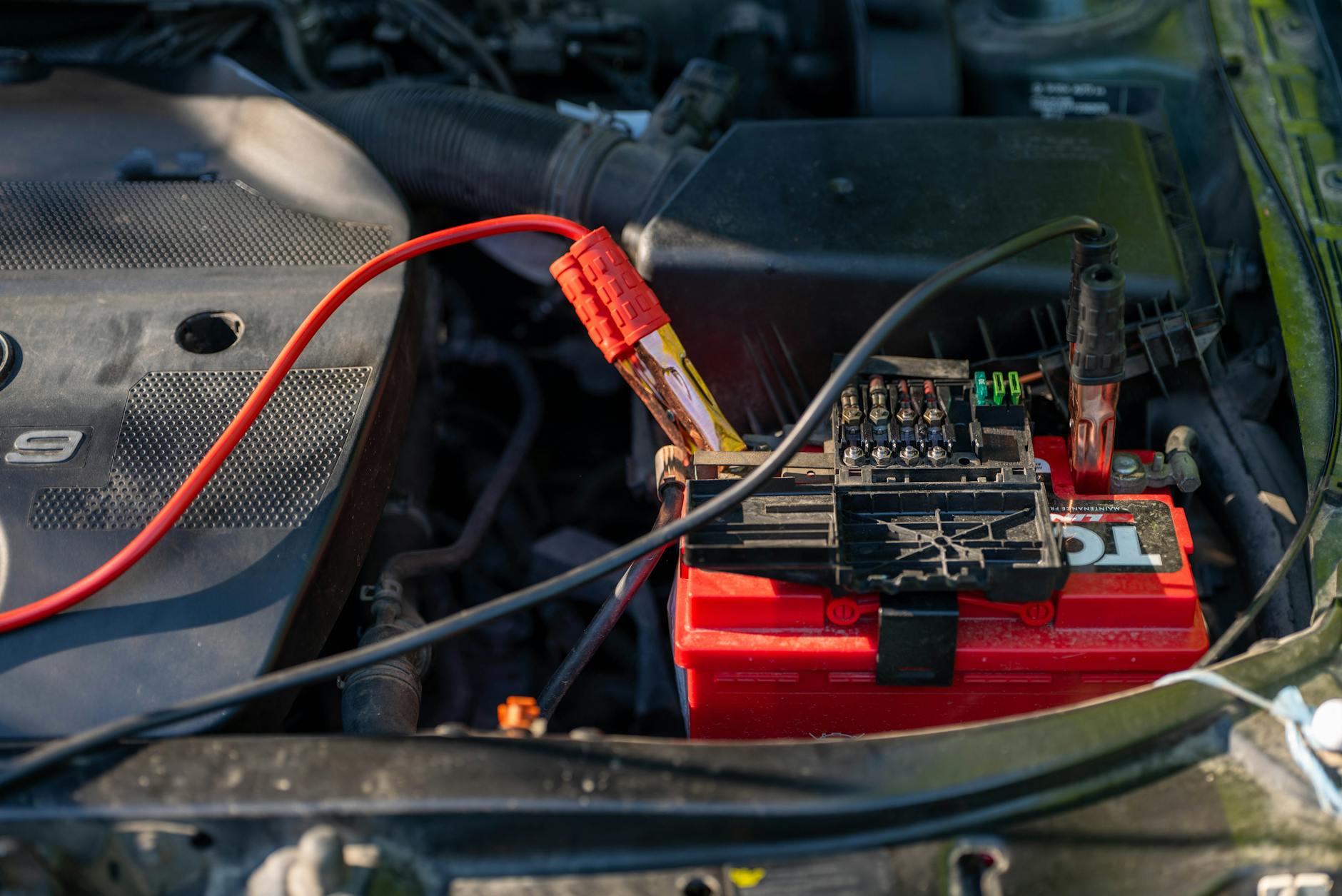
When Dyson batteries fail, some owners consider purchasing cheaper third-party replacement batteries as an alternative to expensive official Dyson batteries. This choice carries serious safety risks that consumers must understand. The Consumer Product Safety Commission issued a warning in 2024 about ZAUTNKN.INC replacement battery packs sold on Amazon, which were linked to three fires and one injury. These unauthorized lithium-ion batteries posed such a fire hazard that the CPSC directed consumers to stop using them immediately.
Canada issued a separate recall in February 2024 for FirstPower V6 replacement batteries, which had six reported incidents including one case of significant property damage caused by fire. The critical distinction here is that these safety hazards involve non-original equipment manufacturer (non-OEM) replacement batteries, not the Dyson vacuums themselves. However, the existence of dangerous counterfeit and unauthorized replacement batteries highlights a tradeoff consumers face: official Dyson batteries are expensive but safe and warranted, while third-party alternatives may be cheaper but carry undisclosed fire risks. This reality leaves consumers with premature battery failures in a difficult position, forced to choose between expensive official replacements or potentially hazardous cheaper alternatives.
What Protections Do Consumers Have Against Defective Batteries?
Current protections for consumers experiencing Dyson battery problems are limited compared to those in settled class actions. Affected owners can pursue individual warranty claims with Dyson directly, request service through authorized repair centers, or file complaints with consumer protection agencies. However, without a settled class action, there is no compensation program, no automatic refund mechanism, and no streamlined claims process administered by a settlement fund. Each consumer must essentially navigate the warranty process independently, which requires time, documentation, and persistence.
A significant limitation is that the ongoing investigations may not result in a settlement that covers all affected consumers or provides the level of compensation that owners might expect. Investigations examine potential violations of consumer protection laws, but investigation status does not guarantee that consumers will receive compensation. Additionally, consumers who purchased Dyson V8 vacuums several years ago may find themselves unable to pursue claims if statutes of limitations have passed in their jurisdiction. The passage of time between when batteries failed and when legal action is contemplated can significantly impact the viability of individual claims.

What Should Consumers Do If Experiencing Battery Problems?
If your Dyson vacuum battery is failing or has failed, several practical steps can help protect your interests. First, document the failure with photos, purchase receipts, and written descriptions of the problem. Contact Dyson’s customer service directly to file a warranty claim, providing your purchase date and documenting when the battery began failing. Be specific about whether the failure occurred during the warranty period or shortly thereafter, as this affects your claim.
Keep copies of all correspondence with Dyson and any service center communications. Monitor legal resources and class action settlement tracking websites to stay informed about any future settlements related to Dyson battery defects. While no current settlement exists, investigations are ongoing, and a settlement could emerge in the future that allows consumers to claim compensation retroactively. If you have been financially harmed by a battery failure, consider documenting the full cost impact, including the vacuum’s original purchase price, the failed battery, and any replacement battery costs you have incurred. This documentation may prove valuable if future legal action succeeds.
Looking Forward: Battery Durability and Consumer Expectations
The Dyson battery situation reflects broader tensions in consumer product design around battery lifespan and replacement economics. Premium-priced cordless vacuums marketed with convenience and cordless freedom create expectations of longevity that may not match actual battery performance in real-world use. As battery technology and lithium-ion performance have become central to product reliability, consumer protection law has not kept pace with clear standards for battery durability disclosure and warranty adequacy.
Future developments in Dyson battery litigation may hinge on whether regulators or courts determine that advertised battery life, actual performance, and warranty duration should align more closely. Consumers purchasing cordless vacuums today should research battery replacement costs, warranty scope, and real-world battery longevity reports from existing owners—not just marketing claims. The distinction between active investigations and settled cases remains critical; while the Dyson V8 battery issues are being examined, consumers currently cannot rely on settlement compensation programs to address their costs and frustrations.
You Might Also Like
- Whirlpool Front-Load Washer Mold Defect Class Action
- Vitamix Blender Blade Defect Class Action
- Viking Range Ignition Defect Class Action
Open Settlements You Can Claim Now
Browse current class action settlements accepting claims — several require no proof of purchase: