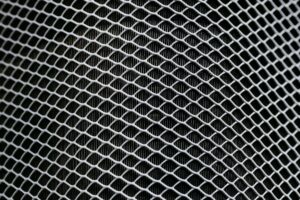

Gore-Tex Dual Mesh hernia repairs have been associated with significantly higher infection rates and long-term complications compared to other hernia mesh materials, raising serious questions about patient safety and the adequacy of surgical outcomes. While the product received FDA approval in 1995 and was widely implanted for hernia repair procedures, clinical studies and surgeon experiences have revealed that patients who received Gore-Tex Dual Mesh face nearly six times the infection rate of those with alternative materials—14% versus 2.2%—along with other serious complications including chronic pain, mesh migration, and recurrent hernias requiring revision surgery. Some patients, like one Pennsylvania man who developed persistent chronic pain and mesh calcification following his Gore-Tex hernia repair in 2003, have struggled for more than two decades with complications that required multiple revision surgeries and significantly impacted their quality of life. The issue centers on the mesh’s two-layer construction design, which includes a smooth anti-adhesion side and a rough tissue-integration side. However, this design does not appear to have prevented the complications that have become increasingly documented in medical literature.
Despite mounting clinical evidence of problems and the fact that most surgeons have discontinued the use of Gore-Tex Dual Mesh due to known complications, neither W.L. Gore nor the FDA has issued a formal recall of the product. This has left thousands of patients with permanent implants that may cause serious health problems. While Gore-Tex Dual Mesh has been mentioned in hernia mesh litigation, litigation activity has been less prominent than cases involving other manufacturers like Bard, Ethicon, Atrium, and Covidien. No major settlement amounts have been publicly announced for Gore-Tex cases in 2025-2026, though injured patients may still pursue claims through various legal channels.
Table of Contents
- What Are the Infection Rates and Safety Concerns with Gore-Tex Dual Mesh?
- Understanding the Gore-Tex Dual Mesh Design and FDA Approval History
- Common Complications Experienced by Gore-Tex Dual Mesh Patients
- Legal Status of Gore-Tex Hernia Mesh Claims and Litigation
- Serious Complications That Can Occur From Gore-Tex Mesh Infection and Degradation
- How Gore-Tex Dual Mesh Compares to Alternative Hernia Repair Products
- Current Status of Gore-Tex Dual Mesh and What Patients Should Know Now
- Conclusion
What Are the Infection Rates and Safety Concerns with Gore-Tex Dual Mesh?
Gore-Tex Dual mesh carries significantly elevated infection risk compared to other hernia repair materials, which is one of the most serious complications documented in clinical literature. Research comparing infection rates directly found that Gore-Tex had an infection rate of 14% (12 of 86 cases) versus just 2.2% (2 of 90 cases) with non-Gore-Tex materials—meaning patients receiving Gore-Tex are nearly six times more likely to experience a mesh infection. This dramatic difference should concern both patients who have already undergone the procedure and surgeons considering which mesh product to use for hernia repair. The infection risk varies significantly depending on the surgical technique used. In open hernia repair procedures, Gore-Tex infection rates reached 26.5%, while in laparoscopic (minimally invasive) repairs, the rate was lower at 5.8%.
One specific laparoscopic study of ventral hernia repair found mesh infection in only 2 of 146 Gore DualMesh patients (approximately 1.4%), suggesting the mesh may perform differently depending on surgical approach. However, even the “better” infection rates remain concerning enough that surgical practice has largely moved away from this product. The prolonged infection complications can lead to severe secondary problems. Mesh infections don’t always appear immediately and can develop months or years after the initial surgery, presenting as persistent inflammation, drainage, or signs of systemic infection. Patients may require multiple revision surgeries to remove or replace the infected mesh, extending recovery times and creating additional surgical risks.

Understanding the Gore-Tex Dual Mesh Design and FDA Approval History
The Gore-Tex Dual Mesh received FDA approval in 1995 as a two-layer surgical mesh product designed to address both infection prevention and tissue integration. The smooth side was engineered to prevent adhesions (unwanted scar tissue that can cause bowel obstruction and internal complications), while the rough side was intended to promote tissue integration and provide structural support for the hernia repair. On paper, this dual-layer design seemed to represent an improvement over single-layer meshes that were available at the time. However, the design did not prevent the complications that have become well-documented in clinical practice over the past thirty years.
The PTFE (polytetrafluoroethylene) material used in Gore-Tex is known to be prone to calcification and degradation in the body, particularly when exposed to the inflammatory environment created by infection or chronic irritation. This material deterioration can lead to mesh fragmentation, which can then cause additional tissue damage and inflammation. A critical limitation of the Gore-Tex design is that even the smooth anti-adhesion side did not adequately prevent all adhesion formation in practice. Some patients developed extensive adhesions that caused bowel obstruction or required surgical lysis (cutting away) of adhesions during revision surgery. The FDA has not issued a recall of Gore-Tex Dual Mesh despite these documented complications, leaving the product on the market and available for implantation, which has meant patients and surgeons must make decisions based on publicly available literature rather than an official safety warning.
Common Complications Experienced by Gore-Tex Dual Mesh Patients
Patients who received Gore-Tex Dual Mesh have reported a wide range of serious complications, from immediate postoperative problems to complications developing years after surgery. The most frequently documented complications include chronic pain at and around the surgical site, bowel obstruction caused by adhesion formation despite the anti-adhesion layer, device migration (the mesh shifting from its intended position), calcification of the mesh material, infection and progressive tissue degradation, and recurrent hernias that required revision surgery to repair or replace the mesh. Chronic pain is perhaps the most common long-term complication, affecting many patients well after the initial recovery period. A patient from Ohio, for example, reported developing disabling chronic pain six months after his Gore-Tex hernia repair that persisted for over fifteen years, making it impossible to work in his previous construction job. The pain was attributed to mesh-related inflammation and scar tissue formation around the implant.
He eventually underwent a revision surgery in 2020 to have the Gore-Tex mesh explanted (surgically removed), though by that time extensive scarring had made the procedure complex. Recurrent hernias are another significant complication. Some patients develop hernias at the same site after Gore-Tex repair, requiring a second surgery. Others develop new hernias adjacent to the original repair site. These recurrent hernias indicate that the Gore-Tex mesh either failed to provide adequate support or degraded over time. Revision surgery to address recurrent hernias is more complex than primary repair because surgeons must contend with scar tissue and the remnants or fragments of the original Gore-Tex mesh.

Legal Status of Gore-Tex Hernia Mesh Claims and Litigation
While Gore-Tex Dual Mesh has been named in hernia mesh litigation, the litigation landscape for Gore products differs significantly from cases involving other major manufacturers. Large multidistrict litigations (MDLs) for hernia mesh have primarily focused on products manufactured by Bard (including C.R. Bard’s Composix and other lines), Ethicon, Atrium, and Covidien. These manufacturers faced substantial settlements because of their hernia mesh products, but Gore has not faced comparable class action settlements or MDL verdicts announced publicly in 2025-2026. This does not mean that Gore-Tex patients cannot pursue legal remedies.
Individual lawsuits and smaller group actions may still be viable for patients who developed complications from Gore-Tex Dual Mesh. The lack of a major MDL settlement specific to Gore-Tex may reflect the fact that litigation efforts focused on the manufacturers with the largest market share and most numerous complaints, or it may indicate that injured parties have had greater difficulty establishing a coordinated class action. Patients considering legal action should consult with a hernia mesh injury attorney to evaluate their specific case. The most important limitation for patients is the statute of limitations for filing a claim, which varies by state but typically ranges from two to four years from the date of injury (not the date of surgery). A patient who develops complications years after surgery may still be within the window to file a claim, depending on state law and when the injury was discovered. This is why gathering medical records and consulting with an attorney promptly is important for anyone experiencing complications from a Gore-Tex hernia mesh implant.
Serious Complications That Can Occur From Gore-Tex Mesh Infection and Degradation
One of the most dangerous scenarios occurs when a Gore-Tex mesh infection develops, because infections in surgical mesh can be difficult to treat and often require surgical removal of the mesh. An infected mesh creates a chronic inflammatory environment in the body where bacteria can form biofilms—protected colonies that resist antibiotics. Patients with infected Gore-Tex mesh may experience fever, wound drainage, persistent pain, or signs of systemic infection even when receiving antibiotic therapy. In some cases, infections persist despite aggressive medical treatment and ultimately require surgical explantation (removal) of the entire mesh. Bowel obstruction is another serious complication that can result from adhesion formation or mesh migration. The smoothness of the Gore-Tex anti-adhesion surface did not guarantee freedom from adhesions in clinical practice.
Patients may experience symptoms of bowel obstruction including severe abdominal pain, nausea, vomiting, and inability to pass stool or gas. These symptoms can develop suddenly and may require emergency surgery to resolve. The warning sign is that if you have persistent abdominal pain, bloating, or digestive symptoms years after your hernia repair, do not assume these are unrelated to your mesh implant—seek medical evaluation promptly. Calcification of the Gore-Tex material itself represents a material failure of the implant. The PTFE material can develop calcium deposits that cause the mesh to become brittle and fragmented. These fragments can migrate through tissues, causing additional inflammation, infection, or mechanical complications. When this occurs, the original goal of the hernia repair—to provide lasting structural support—fails, and the patient may develop a recurrent hernia or other complications requiring revision surgery.

How Gore-Tex Dual Mesh Compares to Alternative Hernia Repair Products
Gore-Tex Dual Mesh’s infection rate of 14% stands in stark contrast to the 2.2% infection rate documented with non-Gore-Tex hernia repair materials, making this comparison central to understanding the product’s safety profile. When surgeons have options, they overwhelmingly choose materials with lower documented infection rates. Many modern hernia meshes use different materials including synthetic polymers like polypropylene, different configurations like single-layer or three-layer designs, or biological meshes derived from donated human or animal tissue. The advantage that Gore-Tex attempted to capture—the combination of an anti-adhesion layer and a tissue-integration layer—has been achieved with other products using different material technology that appears to have better long-term safety profiles.
Surgeons have largely abandoned Gore-Tex Dual Mesh in favor of alternatives, which speaks to the medical community’s assessment of the product’s performance. This migration away from Gore-Tex by surgeons is not a formal FDA-mandated action, but rather a collective professional judgment based on clinical experience and published outcome data. For patients who received Gore-Tex Dual Mesh before surgeons recognized its higher complication rates, the result is permanent implants with known safety concerns. These patients cannot simply have their mesh replaced with a better material without undergoing another major surgery, which itself carries risks. This reality highlights why surgical mesh selection should be made carefully and based on the best available evidence about long-term outcomes, not on marketing claims or FDA approval alone.
Current Status of Gore-Tex Dual Mesh and What Patients Should Know Now
Most surgeons have discontinued use of Gore-Tex Dual Mesh for hernia repair, reflecting the medical community’s response to documented complications and available alternatives. While W.L. Gore has not issued a formal recall, the practical reality is that new hernia repair surgeries are unlikely to use this product. For patients who already have Gore-Tex Dual Mesh implants, the decision about whether to pursue explantation (removal) is complex and should involve careful discussion with a qualified surgeon.
The absence of a major announced settlement specific to Gore-Tex Dual Mesh does not mean the product’s complications are not serious or that patients have no legal recourse. As more surgical outcome data accumulates and as patients develop late complications, litigation may continue to develop. Patients should maintain complete medical records documenting their hernia repair procedure, the mesh product used, and any complications they have experienced. This documentation will be essential if legal action becomes necessary.
Conclusion
Gore-Tex Dual Mesh hernia repairs carry documented infection rates nearly six times higher than alternative mesh materials, along with significant risks of chronic pain, bowel obstruction, mesh migration, calcification, and recurrent hernias. Despite these complications being well-documented in medical literature and despite surgeons largely abandoning the product, no major settlement has been publicly announced and no formal FDA recall has been issued. Patients who received Gore-Tex Dual Mesh and are experiencing complications should seek medical evaluation promptly to diagnose their condition, understand their surgical options, and determine whether they have a viable legal claim.
If you have suffered complications from a Gore-Tex Dual Mesh implant, consult with a hernia mesh injury attorney who can review your medical records, explain your legal options, and advise whether pursuing a claim is appropriate in your situation. Time limitations apply to filing injury claims, so prompt action is important. Your experience matters, and documenting your complications thoroughly with your medical team creates the foundation for any potential legal action.