

PacifiCorp, the Berkshire Hathaway-owned electrical utility behind Pacific Power, has agreed to pay $575 million to the U.S. federal government to settle claims stemming from six devastating wildfires in Oregon and California. Announced around February 20, 2026, the settlement resolves all federal government claims connected to the 2020 Labor Day wildfires and the 2022 McKinney Fire — blazes that collectively scorched roughly 290,000 acres of public land managed by the U.S. Forest Service and Bureau of Land Management.
To put that acreage in perspective, it is an area larger than Rocky Mountain National Park. This federal deal is just one piece of PacifiCorp’s mounting wildfire liability, which now exceeds $2.2 billion in settlements alone, with the utility facing an estimated $55 billion in total claims. The company continues to deny liability despite agreeing to pay. Below, we break down the fires covered by the settlement, how the funds will be used, what this means for private claimants in the ongoing class-action litigation, and what wildfire victims should know heading into 2026 and 2027 trial schedules.
Table of Contents
- What Does the $575M PacifiCorp Federal Wildfire Settlement in Oregon Cover?
- How Will the $575 Million in Settlement Funds Be Distributed?
- PacifiCorp’s $2.2 Billion in Wildfire Settlements and Growing Liability
- What Wildfire Victims Should Know About the Ongoing Class-Action Litigation
- Why PacifiCorp Denies Liability Despite Paying Billions
- The Beachie Creek Fire Gap in PacifiCorp’s Settlements
- What Comes Next for PacifiCorp and Wildfire Accountability in the West
- Frequently Asked Questions
What Does the $575M PacifiCorp Federal Wildfire Settlement in Oregon Cover?
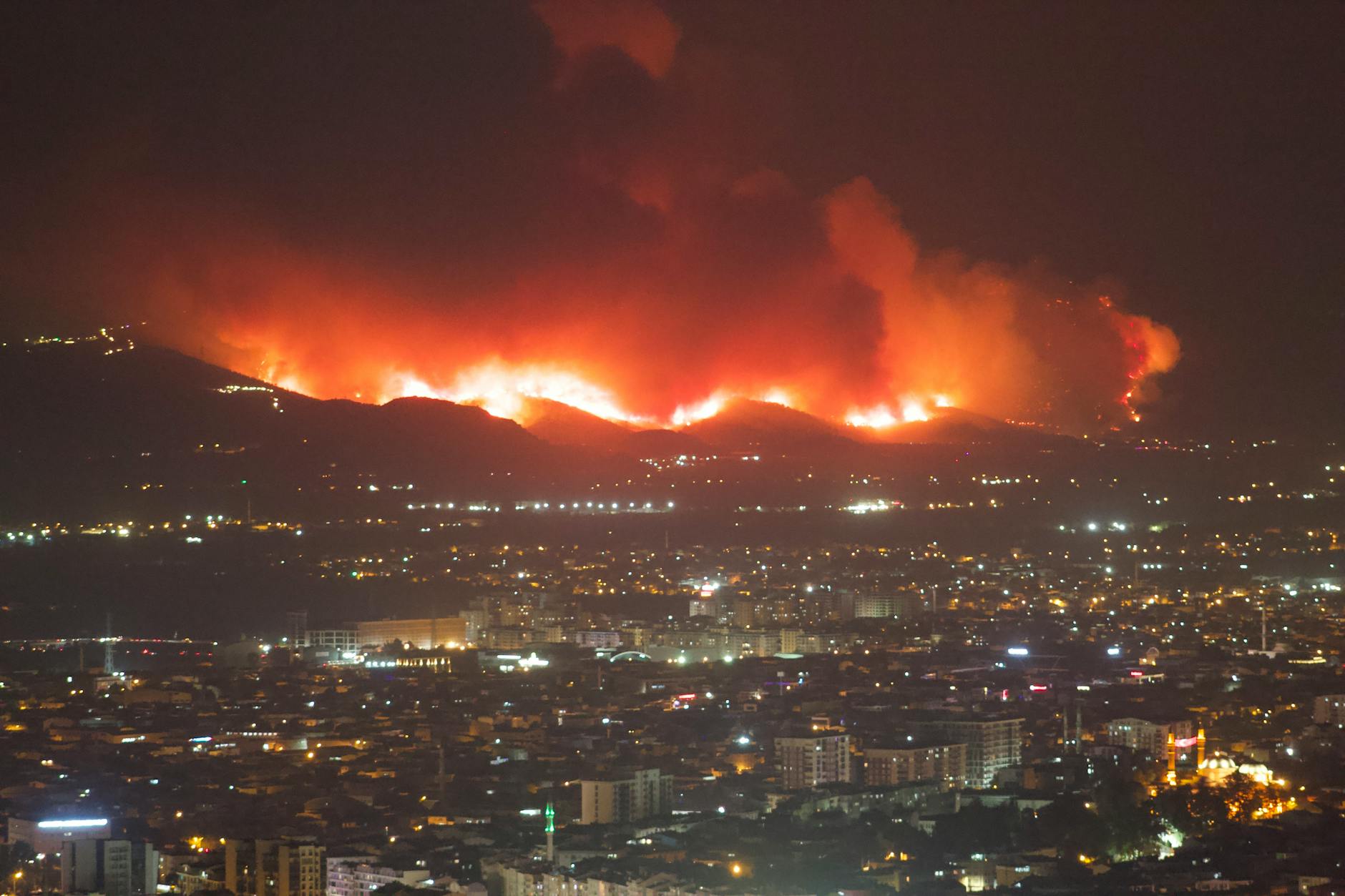
The settlement specifically covers six wildfires that the federal government alleges were sparked by pacificorp‘s poorly maintained electrical equipment. The largest was the Slater Fire, which began September 8, 2020 in California and burned 157,229 acres of federal land. The Archie Creek Fire, igniting the same day in Oregon, consumed 67,000 acres. The McKinney Fire — the only non-2020 blaze in the group — started July 29, 2022 in California and burned 39,000 acres. Three additional Oregon fires round out the settlement: the South Obenchain Fire (14,780 acres), the 242 Fire (8,916 acres), and the Echo Mountain Complex Fire (approximately 2,500 acres). Critically, this settlement addresses only the federal government’s claims for firefighting costs and land restoration.
It does not resolve private claims from individual homeowners, businesses, or other parties harmed by these fires. So if your property was damaged by one of these six wildfires, this particular settlement does not compensate you — your claims fall under separate litigation, including the massive James v. PacifiCorp class action. The distinction matters because some wildfire victims may see the headline figure and assume it applies to them. The U.S. Department of Justice secured the settlement after alleging that PacifiCorp’s negligence caused the fires that tore through national forests and BLM-managed land. PacifiCorp agreed to the payment without admitting fault, a common tactic in large-scale corporate settlements that allows the company to resolve claims while preserving its legal posture for ongoing litigation.

How Will the $575 Million in Settlement Funds Be Distributed?
The settlement funds serve two primary purposes: repaying the united states for the costs of fighting six major wildfires, and funding ecological restoration across the roughly 290,000 acres of public land that burned. The money will be distributed to the U.S. Forest Service and the Bureau of Land Management, the two agencies responsible for managing the federal lands affected. Wildfire suppression alone can cost tens of millions of dollars per fire, and restoring burned forestland — including reseeding, erosion control, invasive species management, and infrastructure repair — is a years-long effort. However, if you are expecting this settlement to directly benefit local communities or displaced residents, that is not how the funds are structured.
The $575 million goes to federal agencies, not to state or local governments, and not to individual victims. Oregon and California communities that suffered property damage, displacement, and economic disruption from these fires will need to look to other legal avenues for compensation. This is a limitation that residents should understand clearly before assuming the headline number translates into personal relief. It is also worth noting that $575 million, while substantial, may not fully cover the federal government’s actual losses. Wildfire restoration on public land is notoriously expensive and slow. The Archie Creek Fire alone caused extensive damage to the Umpqua National Forest in Oregon, and full ecological recovery from large-scale fires can take decades regardless of how much money is spent in the short term.
PacifiCorp’s $2.2 Billion in Wildfire Settlements and Growing Liability
The federal settlement does not exist in a vacuum. PacifiCorp has now settled nearly 90 percent of known claims — excluding the Beachie Creek and South Santiam Canyon fire — for a combined total exceeding $2.2 billion. That figure represents the utility’s attempt to systematically resolve its wildfire exposure, though the sheer scale of remaining litigation suggests the final bill will climb significantly higher. The most dramatic example of PacifiCorp’s ongoing legal exposure came just days after the federal settlement announcement. On February 25, 2026, a jury in the James v.
PacifiCorp class-action lawsuit ordered the company to pay $305 million to wildfire victims in the latest verdict, pushing the total class-action liability past $1 billion. More than 1,000 class members still have cases set for trial in 2026 and 2027, meaning PacifiCorp’s courtroom reckoning is far from over. The utility faces approximately $55 billion in total claims related to wildfires that damaged more than 2,000 buildings and burned roughly 500,000 acres. For context, PacifiCorp’s parent company, Berkshire Hathaway Energy, reported the wildfire liabilities as a material financial risk. While Berkshire Hathaway has the financial depth to absorb significant losses, the question of whether PacifiCorp itself can sustain this level of liability without restructuring remains an open one that regulators, ratepayers, and investors are watching closely.
What Wildfire Victims Should Know About the Ongoing Class-Action Litigation
If you were personally affected by PacifiCorp’s wildfires, the federal settlement is not your path to compensation. Your claims fall under separate proceedings, most notably the James v. PacifiCorp class action. The key legal foundation was laid in 2023, when an Oregon jury found PacifiCorp liable for negligently failing to cut power to its 600,000 customers despite warnings from top fire officials. That liability finding has been the basis for subsequent damage trials, including the recent $305 million verdict.
The tradeoff for class members is between waiting for trial and potentially accepting a negotiated settlement. Trials have so far produced large verdicts — the $305 million result in February 2026 is the latest example — but trials are unpredictable, and individual outcomes vary based on the strength of each claimant’s documented losses. Some wildfire victims may prefer the certainty of a negotiated resolution over the risk of a trial that could yield more or less than expected. With more than 1,000 cases queued for 2026 and 2027, the court system faces significant logistical pressure, and PacifiCorp may have its own financial motivations to settle more claims before they reach juries. Victims should ensure they have thorough documentation of property damage, displacement costs, lost income, and any physical or emotional harm. Those who have not yet filed claims or joined the litigation should consult with an attorney experienced in wildfire cases, as statutes of limitation and procedural deadlines can bar otherwise valid claims.
Why PacifiCorp Denies Liability Despite Paying Billions
PacifiCorp’s insistence that it bears no liability — even as it writes checks totaling billions of dollars — is not unusual in large-scale corporate litigation, but it frustrates many wildfire victims. The legal strategy is straightforward: by settling without admitting fault, PacifiCorp avoids creating binding legal precedent that could be used against it in future cases. Each settlement is technically a business decision to eliminate financial uncertainty, not a concession of wrongdoing. The limitation of this posture, from the public’s perspective, is that it allows the company to avoid the kind of accountability that might drive systemic changes. The federal government alleged that PacifiCorp’s poorly maintained electrical equipment negligently sparked the fires.
An Oregon jury already found the company liable for failing to de-energize its lines during extreme fire conditions. Yet PacifiCorp’s official position remains one of denial. For residents of fire-affected communities, this creates a disconnect between the legal record — which includes a negligence finding — and the company’s public statements. This dynamic also affects how ratepayers view the situation. Utility costs from wildfire liability can eventually flow through to customer rates, meaning Pacific Power customers may indirectly bear some of the financial burden of settlements that the company insists were not its fault. Oregon regulators will need to scrutinize any rate increase requests carefully to ensure that the costs of PacifiCorp’s negligence are not simply passed along to the people its equipment harmed.

The Beachie Creek Fire Gap in PacifiCorp’s Settlements
One notable exclusion from PacifiCorp’s settlement tally is the Beachie Creek and South Santiam Canyon fire, which is not part of the nearly 90 percent of resolved claims. The Beachie Creek Fire was one of the most destructive of the 2020 Labor Day fires in Oregon, devastating communities including Gates, Mill City, and Detroit. Its exclusion signals that significant litigation remains unresolved beyond the cases currently heading to trial.
For victims of the Beachie Creek Fire specifically, this means their claims are still outstanding and may follow a different timeline and resolution path than the fires covered by the federal settlement or the James v. PacifiCorp class action verdicts to date. Anyone affected by that fire should pay close attention to legal developments and ensure their claims are properly preserved.
What Comes Next for PacifiCorp and Wildfire Accountability in the West
With more than 1,000 class-action cases scheduled for trial in 2026 and 2027 and billions in unresolved claims still pending, PacifiCorp’s wildfire saga is entering its most consequential phase. The $575 million federal settlement and the string of class-action verdicts are increasing financial pressure on the utility, and the outcomes of upcoming trials will shape whether PacifiCorp pushes for a comprehensive global settlement or continues to fight cases individually. The broader implications extend beyond one company.
PacifiCorp’s wildfire litigation is becoming a reference point for how utilities across the western United States manage fire risk, maintain equipment, and respond to warnings during extreme weather events. California already overhauled its utility liability framework after PG&E’s wildfire bankruptcy. Oregon may follow with its own regulatory reforms depending on how the PacifiCorp cases conclude. For affected communities, the priority remains securing fair compensation — and the next two years of trials will determine whether that goal is met.
Frequently Asked Questions
Does the $575 million PacifiCorp settlement pay individual wildfire victims?
No. This settlement resolves only the federal government’s claims and directs funds to the U.S. Forest Service and Bureau of Land Management for firefighting cost repayment and land restoration. Individual victims must pursue compensation through separate litigation such as the James v. PacifiCorp class action.
Which wildfires are covered by this federal settlement?
Six fires are included: the Slater Fire, Archie Creek Fire, McKinney Fire, South Obenchain Fire, 242 Fire, and Echo Mountain Complex Fire. These occurred during the 2020 Labor Day fires in Oregon and the 2022 McKinney Fire in California.
Is PacifiCorp admitting fault by paying $575 million?
No. PacifiCorp continues to deny liability as part of the settlement terms. However, a separate 2023 Oregon jury verdict found the company liable for negligently failing to de-energize its power lines during dangerous fire conditions.
How much has PacifiCorp paid in total wildfire settlements?
PacifiCorp has settled nearly 90 percent of known claims (excluding Beachie Creek/South Santiam Canyon fire) for a combined total exceeding $2.2 billion. The class-action liability alone now surpasses $1 billion after a February 2026 jury verdict of $305 million.
Are there still PacifiCorp wildfire trials scheduled?
Yes. More than 1,000 class members have cases set for trial in 2026 and 2027 as part of the James v. PacifiCorp class-action lawsuit.
What is PacifiCorp’s total wildfire exposure?
The utility faces approximately $55 billion in total claims related to wildfires that damaged more than 2,000 buildings and burned roughly 500,000 acres across Oregon and California.